Professional HVAC Services for Optimal Home Climate Control
Dependable HVAC solutions play an important role in maintaining ideal home climate control. Homeowners often encounter problems such as unusual sounds, fluctuating temperatures, and increased utility bills. Routine upkeep can greatly improve operational performance and indoor air quality. Selecting an appropriate HVAC contractor is essential for long-term benefits. Understanding the signs that indicate a need for repair can better improve household comfort levels. What specific indicators should homeowners be aware of?
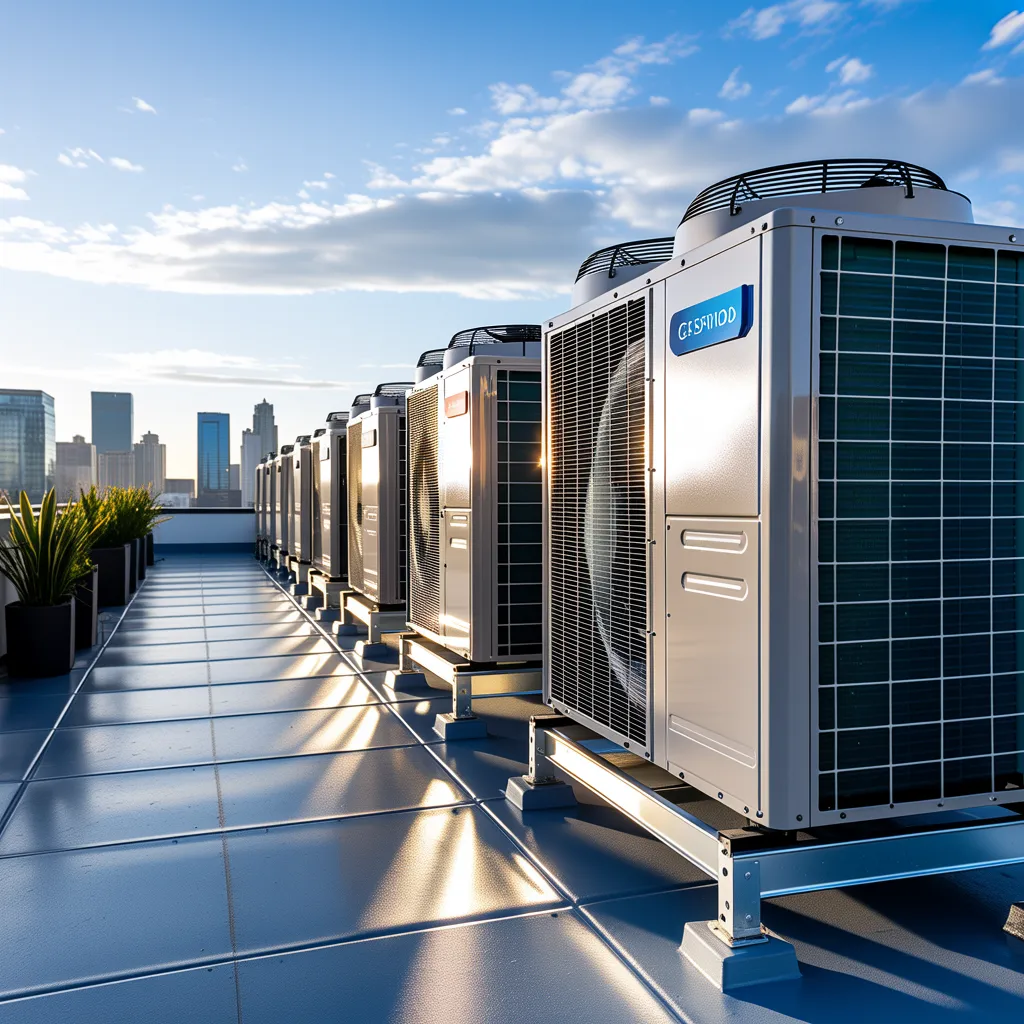
Indicators Your HVAC System Requires Service?
How can homeowners determine when their HVAC system needs maintenance? Several indicators can help in identifying potential problems. Strange sounds, such as grinding or whistling, often signal mechanical problems. Additionally, inconsistent temperatures across different rooms may suggest air distribution problems or a faulty thermostat. Homeowners should also be aware of an increase in energy bills, which can suggest that the system is working harder than necessary to maintain comfort.
A important indicator is the presence of strange odors, which might suggest electrical issues or mold growth within the system. Frequent cycling on and off, referred to as short-cycling, can lead to increased damage. Finally, if the system is delivering inadequate air or no air at all, it may require immediate care. Recognizing these signals early can avert more extensive injury and expensive repairs.
Why Consistent HVAC Maintenance Is Necessary
Consistent HVAC maintenance is crucial for ensuring maximum efficiency and extending the life expectancy of your system. Scheduled inspections and servicing assist in spotting potential concerns before they worsen into expensive replacement work. Throughout maintenance, service professionals usually clean components, check refrigerant levels, and verify that every part operates efficiently. This preventive strategy not only strengthens system reliability but furthermore enhances energy efficiency, producing affordable utility bills.
Furthermore, regular maintenance can noticeably improve air quality indoors by confirming filters are properly maintained and ventilation systems are unobstructed. Avoiding maintenance can result in poor performance and accelerated component deterioration on components, ultimately shortening the system's lifespan. In addition, numerous manufacturers mandate regular upkeep to keep warranty coverage. By committing to a dependable HVAC maintenance schedule, homeowners can achieve a pleasant living environment while minimizing costly unexpected repairs and expenses. Ultimately, regular maintenance is an important investment in home climate control.
Critical Features To Consider When Engaging An HVAC Vendor
Picking the right HVAC service provider is crucial to keeping an effective home climate control system. Several significant factors should be examined to guarantee peak service. First, the provider's permits and protection status is vital; this shields homeowners from possible risks. Second, assessing knowledge and skill is necessary; seasoned technicians are more likely to diagnose and resolve issues effectively.
Additionally, client feedback and endorsements can reveal insights about the provider's reliability and quality of service. Cost clarity is a vital element; a reputable provider should offer clear estimates without undisclosed charges. Finally, availability and customer care play a significant role in routine maintenance and urgent situations. By carefully evaluating these factors, homeowners can select a reliable heating and cooling specialist, ultimately promoting a comfortable and efficient living environment.
HVAC Equipment Categories You Ought to Familiarize Yourself With
Recognizing the assorted types of HVAC systems is necessary for reliable home climate control. Central air conditioning systems, ductless mini-split systems, and heat pump systems each offer distinct advantages and applications. Familiarity with these options helps homeowners to make informed decisions tailored to their specific needs.
Central Cooling Systems
While numerous homeowners pursue reliable air temperature options, central air conditioning systems are recognized as a favored choice due to their efficiency and capacity to refrigerate big areas uniformly. These systems run by moving chilled air through a network of ducts, offering consistent temperatures across multiple rooms. Central air conditioning units commonly include an outdoor compressor and an indoor evaporator coil, which function as a team to pull warmth from the air. This approach not only boosts comfort but also supports improved indoor air quality by trapping dust and allergens. Additionally, central systems can be combined with smart thermostats, giving homeowners the ability to manage energy usage more effectively, therefore reducing utility costs while keeping a pleasant home.
Ductless Mini-Split Climate Systems
Ductless mini-split systems offer a versatile and efficient solution for homeowners wanting tailored climate control. These systems consist of an outdoor compressor unit and one or more indoor air-handling units, allowing accurate temperature management in individual rooms. This flexibility allows homeowners to customize heating and cooling according to their specific needs, enhancing comfort while potentially lowering energy costs. Furthermore, ductless systems are easier to set up than traditional systems, as they require minimal ductwork, making them ideal for retrofitting older homes. Their compact design also allows installation in spaces where conventional systems may not fit. As a result, ductless mini-split systems are increasingly popular for those seeking to optimize home climate control efficiently.
Heat Pump Configurations
Heat pump systems represent another next-generation option in modern HVAC technology, providing both cooling and heating solutions through a single unit. These systems perform by shifting heat rather than generating it, making them energy-efficient and environmentally friendly. There are two main types: air-source and ground-source (or geothermal) heat pumps. Air-source units extract heat from the outside air, while ground-source systems pull heat from the ground. Both types can notably reduce energy bills and reduce carbon footprints. Heat pumps are particularly effective in moderate climates, where they can maintain comfortable indoor temperatures year-round. However, their efficiency can decline in extreme temperatures, calling for supplemental heating. Overall, heat pump systems are a versatile choice for homeowners seeking sustainable climate control solutions.
Ways heating and cooling services Can Assist You Save Expenses On Electricity Bills
Quality HVAC solutions serve as a critical component in reducing energy bills for homeowners. Preventative maintenance, smart thermostat installations, and sustainable improvements can significantly enhance system performance. By strengthening these factors, homeowners can attain major reductions on their energy expenses.
Efficient System Maintenance
Maintaining an HVAC system is critical for enhancing energy performance and reducing monthly utility costs. Scheduled inspections and maintenance ensure that the system performs at peak performance, cutting down on energy consumption. Routine maintenance tasks, such as filter replacement or cleaning, can significantly boost airflow and lower strain on the system, leading to lower utility costs. Additionally, handling minor issues before they turn into expensive repairs can save homeowners large sums in the long run. HVAC professionals can spot inefficiencies and propose adjustments, confirming that the system runs smoothly throughout the year. By stressing consistent upkeep, homeowners can achieve a comfortable indoor climate while also enjoying substantial reductions on their energy expenses.
Smart Thermostat Setup
An smart thermostat can greatly enhance power efficiency for property owners while providing increased command over indoor climate. By automatically adjusting climate control configurations based on occupancy and preferences, these devices maximize energy consumption. HVAC services are essential in the setup phase, ensuring that the thermostat is compatible with existing systems and configured for optimal performance. Professional technicians can also educate homeowners on features like off-site control and energy usage reports, enabling knowledgeable choices about temperature management. Additionally, many smart thermostats integrate with home automation systems, additionally enhancing power oversight. Ultimately, putting money into smart thermostat installation through dependable HVAC services can lead to significant reductions in utility costs while improving overall comfort in the home.
Energy Efficiency Improvements
Energy-efficient renovations are fundamental to optimizing energy savings on energy bills while boosting home comfort. HVAC services can essential guide provide support to homeowners in identifying and introducing these upgrades, which include efficient furnaces, efficient cooling systems, and reinforced insulation. By replacing outdated systems with cutting-edge, efficient models, households can decrease energy consumption considerably. Additionally, regular care ensures superior performance, preventing costly repairs and inefficient functioning. Insulating air ducts and sealing gaps further boost energy efficiency, allowing for advanced climate regulation throughout the home. Investing in these upgrades not only reduces monthly utility costs but also supports a more sustainable environment. Overall, energy-efficient improvements constitute a astute economic decision for homeowners aiming to maximize both comfort and savings.
Why HVAC Services Improve Air Quality
Enhancing indoor air quality is a primary benefit of professional HVAC services. Proper maintenance and servicing of HVAC systems guarantee that filters are clean and functioning effectively, which helps trap dust, allergens, and other pollutants. Routine inspections can spot issues such as mold growth or duct leaks, both of which can greatly diminish air quality.
Furthermore, HVAC professionals can suggest and set up air purification systems, which further enhance the residential space by capturing tiny contaminants. They can also assess moisture content, as high humidity can result in mold growth and mildew, compromising air quality.
What To Expect During Your HVAC Appointment
Maintaining ideal home air quality often leads homeowners to schedule HVAC maintenance calls. During these appointments, technicians generally start with a complete inspection of the system, evaluating components such as filters, ducts, and thermostats. They may inquire questions about any specific issues or unusual noises, helping them to customize their service.
Next, technicians often clean or replace filters to improve performance and indoor air. They may also examine refrigerant amounts and look for any leakage, ensuring peak performance. Additionally, they will test the system's functionality, verifying that temperature control features operate smoothly.
Homeowners can get a thorough report describing findings and suggestions. This may involve recommendations for preventive maintenance or possible improvements. By grasping these processes, homeowners can more fully understand the importance of routine HVAC service calls in creating a safe and pleasant living space.
Often Asked FAQs
What Length of Duration Does You Expect for HVAC Installation?
An HVAC installation typically takes between one to three days, depending on the system's complexity and the size of the home. Elements such as current ductwork and necessary changes can also influence the duration.
What Guarantees Do Heating and Cooling Systems Come With?
HVAC systems usually come with multiple warranties, including limited parts warranties, extended labor warranties, and comprehensive coverage warranties, which may differ by manufacturer and installation service. Customers should evaluate options attentively to confirm adequate coverage.
Is it feasible to install an HVAC System myself?
Setting up an HVAC system by yourself is doable but frequently impractical. Correct knowledge, tools, and area requirements must be evaluated. Professional installation is usually recommended to guarantee security, effectiveness, and adherence to codes.
What Represents the Average Lifespan of an HVAC Unit?
An HVAC unit's typical lifespan typically ranges between 15 to 25 years typically. Variables including regular care, usage patterns, and surrounding climate can greatly influence how long it endures, affecting its overall functionality and energy efficiency.
How Routine Should Air Filter Replacement Occur?
HVAC filters should generally be changed every one to three months, depending on usage and environmental factors. Routine replacement guarantees peak system efficiency and boosts indoor air quality, contributing to a healthier living environment.